


What is Urolift?
Urolift is a minimally invasive procedure that involves lifting or holding the enlarged prostate tissue to clear the urethra, without the need for cutting, heating, or removing any prostate tissue. This innovative approach provides relief from bothersome symptoms like frequent urination or weak urine flow.
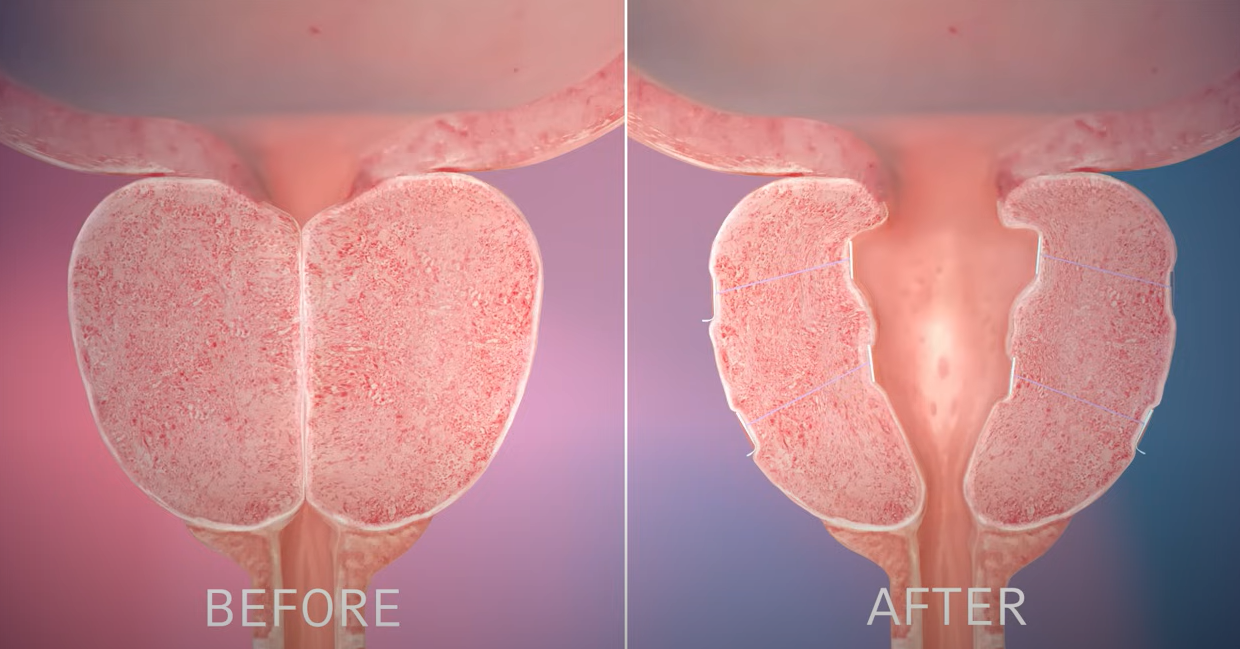
How the Urolift works
The UroLift procedure can be easily conducted as a same-day outpatient treatment, which can even be performed in an office setting under local anesthesia. Patients can anticipate returning home on the same day without the need for an overnight stay or a catheter post-treatment.
Should you and your healthcare provider determine that the UroLift System treatment is suitable for you, your doctor will offer you comprehensive information regarding the procedure.
In general, UroLift System is a safe and effective alternative for individuals seeking a minimally invasive approach to managing their BPH symptoms. This innovative procedure offers the advantage of a shorter recovery time compared to traditional surgical treatments. Patients can expect to experience minimal discomfort and achieve rapid relief from urinary symptoms, allowing for a quicker return to daily activities and improved quality of life.
The recovery period
After undergoing treatment, patients can expect a relatively brief recovery period with minimal downtime. While medication is typically not required post-treatment, some patients may experience urinary discomfort during this time. Symptom relief is often reported as early as 2 weeks after the procedure. It is important to note that common side effects may include blood in the urine, pain or discomfort while urinating, increased urgency to urinate, and pelvic discomfort. These side effects typically resolve within two to four weeks following the procedure.
Why choose Urolift?
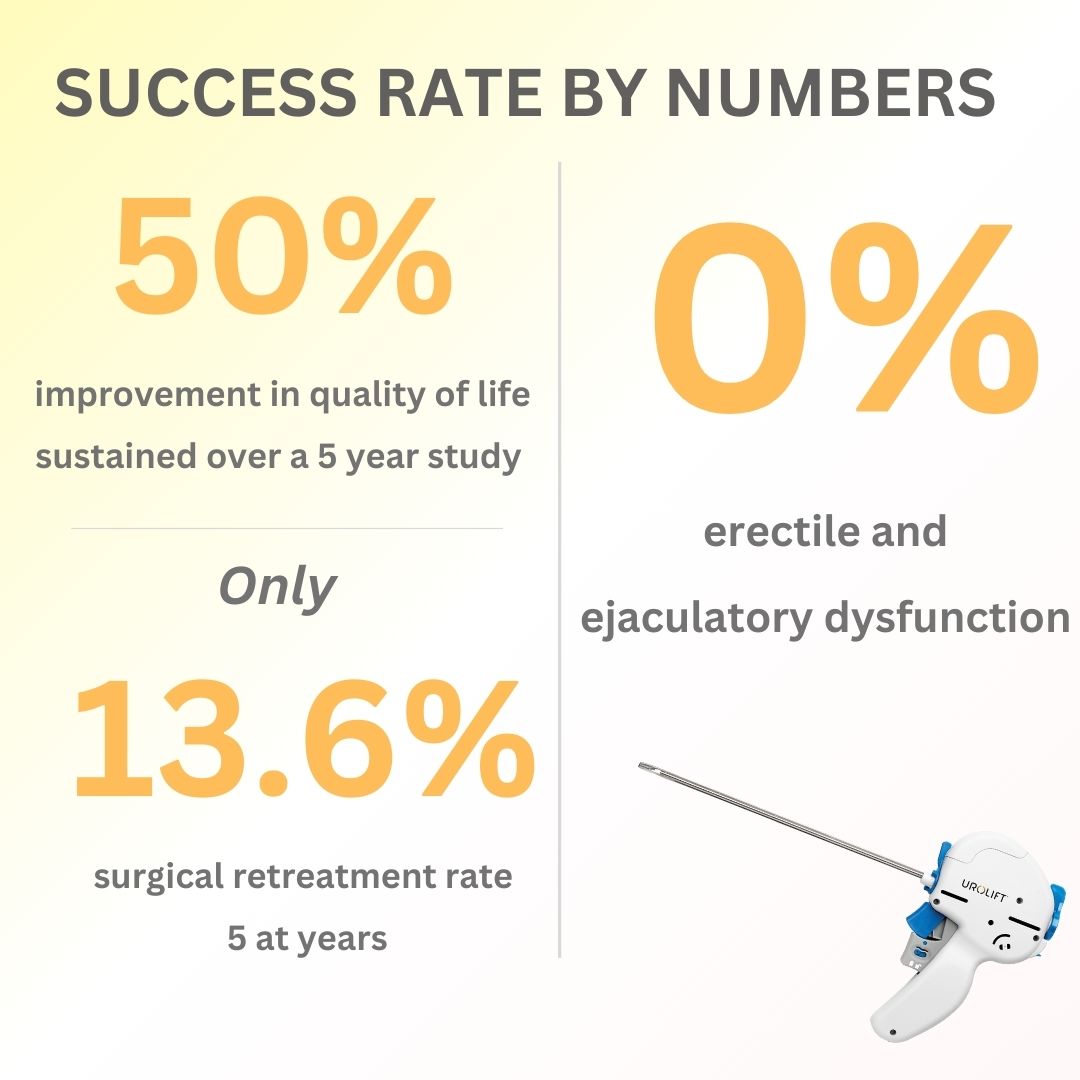
- Durable results with low surgical retreatment rate and lasting improvement
- Scientifically supported alternative to drug therapy and traditional surgery
- Rapid relief and speedy recovery
- Preserves sexual function
- Lowest catheter rate compared to other BPH procedures
Who are suitable for Urolift?
If you are a male aged 50 or older experiencing symptoms of Benign Prostatic Hyperplasia (BPH), you may be a suitable candidate for the UroLift System treatment.
We recommend consulting with your urologist to determine if this treatment is appropriate for you. It is important to note that individuals with allergies to nickel, titanium, or stainless steel should discuss their allergies with their healthcare provider prior to undergoing the UroLift System procedure. This treatment is most effective for those with moderate to large prostate glands not exceeding 100 grams in size, and who are still able to urinate or have less than 350 cc of post-void residual volume.
Alternatives to Urolift at M Centre by BNH hospital
At M Centre by BNH hospital, we provides a diverse array of treatment options for patients diagnosed with BPH, aimed at empowering individuals to choose the most appropriate solution that aligns with their specific needs. The treatment options outlined below are organized from the least invasive to the most invasive (from left to right), enabling patients to make well-informed decisions based on their preferences and medical circumstances. Moreover, our accomplished team of healthcare experts stands ready to offer guidance and support throughout the treatment process.
Medication
The first step in medical management is usually to try out some medications including Alpha-Blockers, 5-Alpha Reductase Inhibitors, Phosphodiesterase-5 Inhibitors. These medicines work in different ways – some help relax the muscles in the bladder and prostate to make it easier to pee, while others can prevent growth and in some cases even shrink prostate down by stopping your body from creating one of the hormones that makes prostate larger.

iTind
iTind is a minimally invasive treatment for enlarged prostate by reshaping its internal structure.
The iTind device is a special tool that expands the narrow urethral openings within the prostate, allowing better urine flow. This device is temporarily placed inside the prostate for only 5-7 days. The reshaping effect remains even after the device is removed.
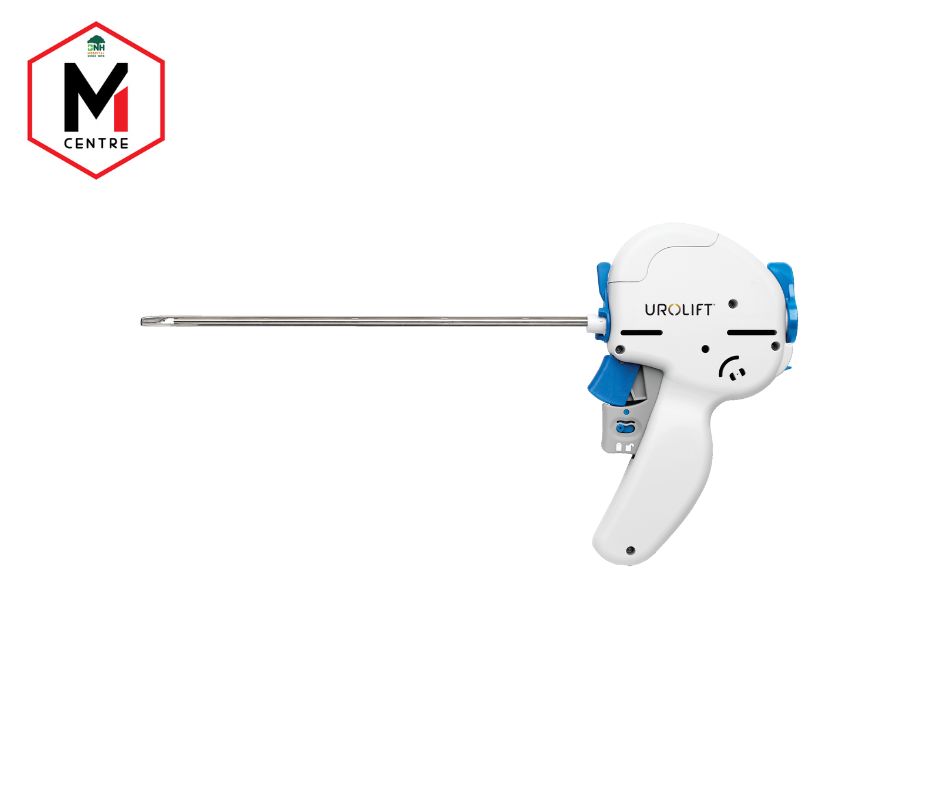
Urolift
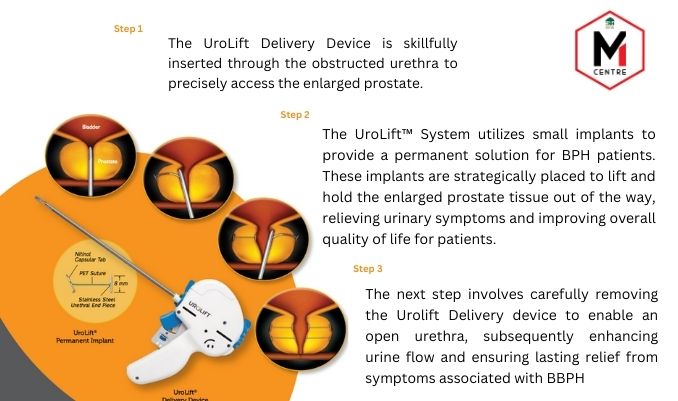
Permanent implants are inserted to lift or push aside excess tissue that’s blocking the urethra, making it easier for you to pee without any discomfort. The best part is, there’s no need for any intense procedures like heating, cutting, or removing parts of the prostate tissue. It’s a simple and effective way to provide relief and improve your quality of life.

Water Vapor Therapy
Water vapor therapy has been approved by the FDA in the United States since 2015 as well as the Thai FDA. This therapy involves inserting a probe into the urethra to reach the prostate, where water vapor at 103°C is applied approximately 4-6 times, depending on the size of the enlargement. Each treatment only takes about 9 seconds and helps the water vapor diffuse between the prostate cells. This therapy is considered a simple but safe and effective alternative to invasive surgery for prostate enlargement.

Greenlight Laser
GreenLight laser treatment is a procedure that helps clear away tissue in the prostate that may be causing problems with urination. During the treatment, a small tube with a laser attached is inserted into the urethra and directed towards the prostate. The laser then carefully breaks down the excess tissue, allowing for better urine flow. The best part is that this treatment can be done as an outpatient procedure, meaning you can go home the same day.
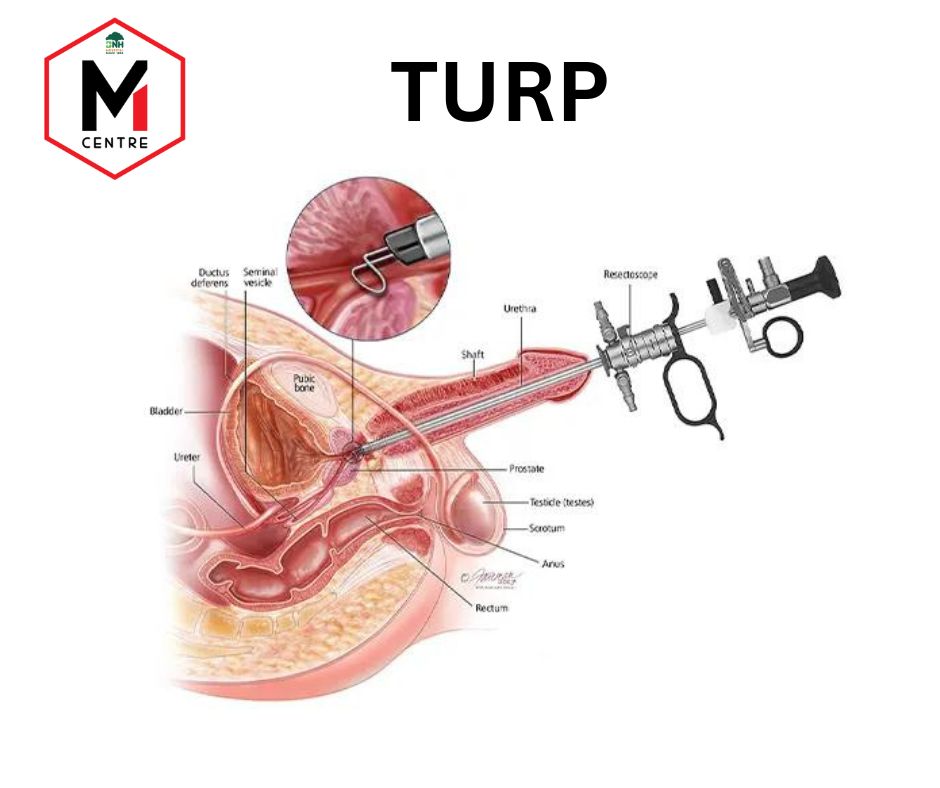
TURP
TURP, or transurethral resection of the prostate, is a common surgery used to treat BPH. During the procedure, patients are put under general anesthesia while doctors remove excess prostate tissue that is causing urinary symptoms. TURP is considered the “the golden standard” with long-lasting results. However, there are potential side effects and complications to be aware of, such as bleeding, infection, urethral strictures, erectile dysfunction, retrograde ejaculation, and urinary incontinence. Some patients may also need to have a catheter inserted into their bladder for a few days after surgery to aid in recovery.
Frequently Asked Questions
The implants are designed to be permanent in nature. They are comprised of standard surgical implantable materials, namely a nitinol capsular tab, a stainless steel urethral tab, and a polyethylene terephthalate suture that securely fastens the two tabs together. In the event that removal of the urethral tab becomes necessary, your physician is able to do so by cutting the suture and extracting the tab with a conventional grasper tool. It is important to note that while the urethral tab can be removed, the capsular tab along with a portion of the suture will remain in place within your body.
The UroLift System utilizes small permanent implants to effectively hold the obstructing prostatic lobes apart. These implants are carefully deployed through a needle that extends from the delivery device, allowing for precise placement. Comprised of nitinol, stainless steel, and suture materials commonly used in implantable devices, each implant is designed for long-term durability and effectiveness. The quantity of implants utilized during a procedure is tailored to the individual and will be determined by the treating physician based on factors such as the prostate gland’s size.
As part of our commitment to patient safety, we provide patient implant cards to inform you that the UroLift implant is classified as MR Conditional. This means that the implant can safely undergo magnetic resonance imaging (MRI) scans under specific conditions. It is important to follow these specific MR conditions to ensure your safety and well-being during the scanning process. If you have any questions or concerns about the MRI compatibility of your UroLift implant, please do not hesitate to reach out to us for further clarification and guidance.
The UroLift System is a revolutionary treatment option that has successfully obtained approval from the U.S FDA and Thai regulatory authorities. Due to its proven efficacy and safety profile, many prestigious international insurance companies are now willing to cover treatment plans involving UroLift, provided that specific medical criteria are met. For information on your personalized coverage details, we recommend contacting your insurance provider directly. You can inquire about benefits, eligibility, and any potential out-of-pocket costs associated with the UroLift procedure. Don’t hesitate to reach out to your insurer for further clarification on coverage options.