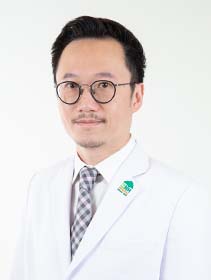
SUNTCHAI WIROTSAENGTHONG, M.D.
- Urological Surgery
Schedule
- Mon
- Tue
- Thu
- Fri
- Sun




Men's health centre at BNH Hospital
M Centre cares for men's health with true understandingPersonalised care for every stage of life
The male reproductive system is complex. Every man has unique physical characteristics, and each man’s mental well-being and lifestyle habits also differ.
Addressing men’s specific health issues therefore requires both expertise and a diverse range of treatment options to meet each individual’s unique needs.
In 2020, BNH Hospital established the M Centre, a comprehensive men’s health centre. It brings together highly experienced physicians and advanced medical innovations to deliver personalised care tailored to each individual’s physical characteristics, disease progression, mental health and lifestyle.
With personalised plans tailored to specific health needs and lifestyles.
Early detection to increase the chances of a complete cure.
Including senior medical faculty.
Providing long-term health monitoring and comprehensive care for men’s health issues.
Involving expert medical professionals, such as rehabilitation physicians, nutritionists and physiotherapists, to promote men’s health and restore the best possible quality of life for patients.
As men age, they often begin to experience urinary issues, such as difficulty urinating, a weak stream, frequent urination, post-void dribbling, a sensation of incomplete bladder emptying or difficulty holding back urine. One of the primary causes of these symptoms is an enlarged prostate.
The prostate is part of the male reproductive system. Roughly the size of a walnut, it is located beneath the bladder and surrounds the upper part of the urethra. Its main function is to produce fluid that acts as a lubricant in semen, creating an environment conducive to sperm motility and fertilisation.
While the exact cause of an enlarged prostate remains unknown, it is believed to be linked to ageing and changes in sex hormones, which cause prostate cells to multiply and the gland to enlarge. The condition is therefore common in men aged 50 and over. Statistics show that it affects approximately 60% of men aged 60 and nearly 90% of men aged 90.
of men aged 60
of men aged 90
most common age group
The prostate can be likened to a doughnut, with the urethra passing through the hole in the centre. As the dough thickens, the central opening narrows. This illustrates how an enlarged prostate compresses the urethra, causing urinary problems and affecting the patient’s quality of life.
Because the exact cause is unknown, an enlarged prostate cannot be prevented. However, thanks to modern medical advances, the condition can now be treated effectively, restoring normal function quickly and without pain.
An enlarged prostate is a common condition that is easily treatable. In the early stages, when symptoms are mild and do not significantly affect daily life, treatment involves lifestyle adjustments and medication. However, if symptoms are severe or complications arise, such as persistent urinary retention, bladder stones or kidney problems, a doctor may consider surgery.
There are two main groups of drugs. Doctors may prescribe one or a combination of both and monitor for side effects.
A treatment for benign prostatic hyperplasia (BPH). A doctor inserts instruments through the urethra to remove the prostate tissue obstructing the urinary tract. This improves urine flow and alleviates symptoms without requiring an external incision.
An enlarged prostate is not a severe disorder. It commonly affects ageing men and can be successfully treated. Modern innovations now allow severe cases to be treated without surgery, offering benefits such as shorter recovery times, fewer side effects and minimal blood loss. These options are suitable for patients for whom medication has proved ineffective, those who experience adverse reactions to medication or those who wish to avoid long-term medication use. The treatments include:
Steam-based treatment for an enlarged prostate
Rezūm is a steam-based treatment for an enlarged prostate. A small device is inserted into the urethra to deliver hot steam precisely through a tiny needle. Prostate cells die upon contact with the steam, but the treatment targets only the tissue compressing the urethra, causing it to shrink gradually. Treatment results typically become apparent within 2–3 weeks.
min procedure
better urinary flow
less frequent urination
better quality of life
Rezūm is an innovative treatment that was recently introduced in the United States. Due to its excellent clinical outcomes, the M Centre at BNH Hospital partnered with Boston Scientific, the company behind the technology, to pioneer Rezūm treatments in ASEAN. In October 2025, the hospital launched the BNH Rezūm Center of Education, a regional hub dedicated to knowledge transfer and skills development for physicians from around the world. The centre is led by Dr Sanchai Wirojsaengthong, the first urologist in ASEAN certified to perform the Rezūm procedure.
As the first Rezūm learning centre in Thailand, the BNH Rezūm Center of Education has successfully trained over 60 international physicians in this innovative technique since its inception.
Reshaping the prostatic urethra
iTind is a treatment for an enlarged prostate that works by reshaping the internal structure of the prostate gland. It uses a special metal wire device to gradually expand the prostatic urethra. The device remains within the prostate for 5–7 days before being removed, but the structural reshaping is permanent.
The iTind device is made of nitinol, a nickel-titanium alloy known for its high elasticity, which is commonly used in medical implants such as vascular stents and artificial heart valves.
iTind is an innovative treatment backed by research demonstrating its efficacy. It is widely available in the United States and Europe. In Asia, the treatment was pioneered at the M Centre by Dr Sanchai Wirojsaengthong in 2021.
min procedure
days device in place
days back to normal
years lasting results
Holding the prostate open
UroLift is the latest innovative treatment for an enlarged prostate introduced in Thailand. It uses tiny devices to permanently retract the enlarged prostate tissue, widening the urethra in a process similar to a facial thread lift.
The device is extremely small and made from medical-grade stainless steel and nitinol, a highly flexible nickel-titanium alloy. These materials are commonly used in medical implants such as vascular stents and artificial heart valves.
M Centre at BNH Hospital is the only facility offering all three innovative, non-surgical treatments for an enlarged prostate, providing patients with options tailored to their physical characteristics, disease progression and lifestyle. The attending physician will evaluate each patient’s condition and select the most appropriate treatment method.
Prostate cancer is one of the most common cancers among men worldwide, particularly those aged 50 and over. In the early stages, there are often no symptoms. Later, symptoms resembling those of an enlarged prostate may appear, such as difficulty urinating, a weak urine stream, frequent urination, post-void dribbling, a sensation of incomplete bladder emptying or difficulty holding back urine. As the disease progresses, patients may experience weight loss and persistent pain in the bones, back, hips or pelvis, indicating that the cancer has metastasised to the bones.
Prostate cancer arises from genetic (DNA) changes within prostate cells, causing them to divide and grow uncontrollably. However, the exact underlying cause remains unknown. The following factors increase the risk of developing prostate cancer:
This is the primary risk factor for prostate cancer. Prostate cells begin to deteriorate at age 45, with the rate of deterioration accelerating sharply between the ages of 50 and 60. Impaired DNA repair mechanisms in prostate cells make them more susceptible to mutations that can lead to cancer.
Since these cancer cells thrive on testosterone, men with high levels, whether naturally occurring or resulting from steroid use or hormone supplementation, may experience accelerated growth of pre-existing abnormal cancer cells.
Foods such as red meat, processed meat and fried foods trigger chronic inflammation in the body, potentially leading to cell mutations and, ultimately, cancer.
This is often associated with abnormal insulin and oestrogen levels, which may be linked to the development of advanced-stage prostate cancer.
A major challenge with prostate cancer is that it often causes no symptoms in the early stages. By the time abnormalities are detected, the disease may have progressed to an advanced or invasive stage, making treatment more complex and reducing the chance of a cure.
Initial diagnosis involves a review of the patient’s medical history to assess the aforementioned risk factors, followed by a digital rectal examination (DRE) to check for abnormal lumps. If a risk is identified, the patient undergoes further diagnostic tests, such as:
High PSA levels require further investigation to determine whether the cause is prostate cancer or an enlarged prostate (BPH).
This scan identifies areas of concern that may harbour malignant tissue. At M Centre, specialist diagnostic radiologists interpret the results with high accuracy, increasing the likelihood of precise tissue sampling.
A needle is used to collect tissue samples for analysis to confirm the presence of cancer cells and assess their aggressiveness.
Since prostate cancer is asymptomatic in its early stages, individuals at risk should monitor their health closely to avoid missing the opportunity for early detection, which makes treatment much more manageable.
Prostate cancer treatment options include:
Regular monitoring through PSA tests and MRI scans. This approach is suitable for patients who have no symptoms, have slow-growing cancer or low PSA levels, or are over 70 years old, in whom surgery or radiotherapy may carry a risk of side effects.
Suitable for patients who wish to avoid surgery or have underlying medical conditions. Potential side effects include painful urination and frequent bowel movements.
Involves reducing male hormone levels to halt cancer cell growth. It is suitable for patients with advanced or recurrent cancer.
Used for aggressive cancer that has spread extensively, often in conjunction with hormone therapy to manage the disease.
Performed on patients assessed as suitable candidates for surgery. Options include open surgery, laparoscopic surgery and robot-assisted surgery.
In addition to standard prostate cancer treatments, M Centre offers innovative options designed to minimise the side effects associated with conventional therapies and meet individual patients’ needs, such as:
Focal therapy is a targeted treatment approach that destroys only the cancerous tumour while preserving the surrounding healthy prostate tissue. Irreversible electroporation is a specific focal therapy technique that uses electrical currents to create pores in cell membranes, inducing cell death with minimal impact on adjacent cells.
Focal therapy has recently become available in Thailand, and M Centre now offers this innovative prostate cancer treatment to patients.
Proton therapy uses proton particles to deliver radiation treatment. It allows precise control over the direction and extent of treatment for prostate cancer, minimising the impact on surrounding tissues.
However, the prostate is located very close to the rectum. Although the depth of the proton beam can be precisely controlled, the rectum remains at risk of radiation exposure, particularly in treatment plans requiring high radiation doses. Physicians therefore use SpaceOAR to reduce the risk of radiation-induced side effects affecting adjacent organs.
SpaceOAR is a gel-based material that physicians insert into the space between the prostate and the rectum to temporarily separate them during radiotherapy. This increased separation, ranging from a few millimetres to one centimetre depending on the individual, significantly reduces the impact on surrounding organs.
Without SpaceOAR as a buffer, rectal complications may occur during or after treatment. These include loose stools, frequent bowel movements, tenesmus (a painful urge to defecate), a sensation of heaviness or burning in the anal area, and mucus or blood in the stool. Furthermore, greater caution regarding potential side effects is required for patients with certain medical histories, such as bowel diseases, previous anal or intestinal surgery, bleeding disorders or anticoagulant use.
For procedures involving small, hard-to-reach areas or regions containing critical nerves, such as the pelvis, chest cavity or urinary tract, traditional surgery performed solely by human hands may be limited by the range of motion and visibility. Robotic surgical arms were developed to overcome these constraints.
Robot-assisted surgery still requires a surgeon to control the system, but it enables greater precision because:
However, robot-assisted surgery involves higher costs than other surgical methods and may require a longer overall operating time. It is also unsuitable for certain patient groups, such as those with extensive scar tissue (adhesions), a history of multiple surgeries or bleeding disorders. Additionally, it carries general surgical risks, including those associated with anaesthesia, bleeding, infection and other complications.
Innovative treatments at the M Centre provide patients with prostate cancer with more personalised treatment options, guided by medical diagnoses and professional recommendations.
While many people are familiar with using stimulant drugs to boost sexual performance, a modern alternative has emerged: shockwave therapy, specifically low-intensity extracorporeal shockwave therapy (LI-ESWT). This procedure involves delivering low-energy shockwaves from outside the body to targeted areas of the penis and its base. These waves stimulate deep tissue repair, promote the formation of new capillaries, improve blood vessel wall function and enhance blood circulation, thereby improving erectile function.
Treatment is typically administered 1–2 times per week for a total of 6–12 sessions, depending on the individual’s condition and response. Most patients notice results within a few weeks of starting treatment, with more pronounced improvements over 1–3 months.
Shockwave therapy is therefore a compelling option for those seeking to improve sexual performance while reducing their reliance on stimulant drugs.
min per session
sessions per course
months to clear results
Men have different physiological characteristics from women, so their health care must also take into account the impact on the reproductive system. Key practices include:
In general, appropriate exercise for men is similar to that for women, including:
However, men should place additional emphasis on exercises that support reproductive health to help prevent or recover from specific issues:
A healthy diet for men is not significantly different from that for women. Focus on a diet rich in fruit, vegetables, protein, unsaturated fats and whole grains, while avoiding processed foods and saturated fats. A healthy diet benefits the cardiovascular system, helping to reduce the risk of erectile dysfunction.
Sleep problems and stress can affect erections, although this does not necessarily mean that permanent erectile dysfunction will develop. In general, men should manage their sleep and stress just as women do:
Both contribute to erectile dysfunction.
Taking proper care of men’s health benefits both physical health and sexual performance, which in turn can affect relationships with partners.
At M Centre, BNH Hospital, we understand men’s health. We offer a wide range of treatment options tailored to individual needs and provide integrated, continuous care to restore the best possible quality of life for our patients.
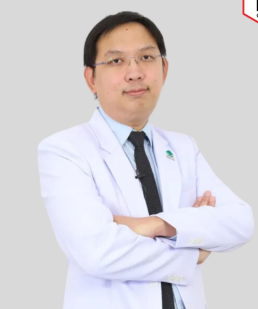
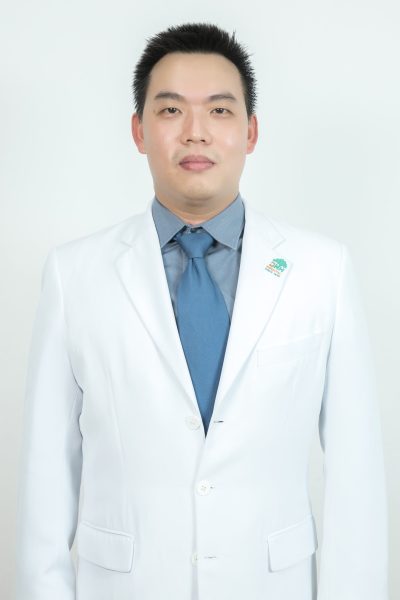
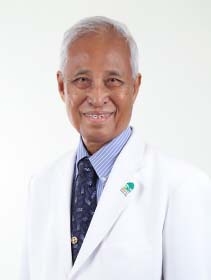
Our specialists collaborate across various fields to provide patient care. The team includes:
Schedule
Schedule

Schedule
Schedule

Schedule

Schedule

Schedule

Schedule
-
Schedule
-

Schedule
M Centre is a comprehensive men’s health centre at BNH Hospital, specialising in male reproductive health. We provide personalised care tailored to each patient’s physical characteristics, disease progression, mental well-being and lifestyle. Our approach combines cutting-edge treatment innovations with the expertise of specialist doctors, including senior academic physicians, and a multidisciplinary team.
M Centre is at the forefront of a diverse range of treatment innovations. We are the only medical facility in the country offering three distinct non-surgical treatment options for an enlarged prostate (BPH). We are also home to the BNH Rezūm Center of Education, the first centre in ASEAN dedicated to water vapour therapy for an enlarged prostate.
These symptoms are clear warning signs of an enlarged prostate (BPH), a condition affecting up to 60% of men aged 50 and over. The symptoms arise when prostate tissue thickens and compresses the urethra. If left untreated, the condition can lead to urinary retention, bladder stones or kidney damage. If you experience these symptoms, consult a doctor for screening.
Yes. At M Centre, we offer innovative non-surgical treatments for an enlarged prostate, including:
Traditional surgery (TURP) may affect ejaculation or erectile function. However, innovative non-surgical treatments such as Rezūm, iTind and UroLift offer a key advantage: no reported adverse effects on sexual function.
Pelvic floor exercises (Kegels) are recommended to help control urination. Regular cardio exercises, such as brisk walking or swimming, are also advised, as they strengthen the cardiovascular system, which directly benefits erectile function.
It is absolutely necessary. Prostate cancer often causes no symptoms in its early stages, so men aged 50 and over, or 45 and over with a family history of cancer, should undergo regular PSA blood tests and physical examinations of the prostate. Detecting abnormalities early significantly increases the chances of a complete cure.
Key factors include:
In addition to standard treatments, M Centre offers innovative options designed to minimise surgical side effects, such as:
M Centre offers shockwave therapy (LI-ESWT), which uses low-energy shockwaves to stimulate tissue and promote the formation of new capillaries. This improves blood circulation and erectile function. Each session takes just 15–30 minutes. The procedure is painless, and patients can resume their normal activities immediately.
In addition to standard cardio and weight training, men should focus on pelvic floor exercises to help with urinary control, especially after prostate surgery. Cardio exercises are also essential for cardiovascular health, which directly contributes to improved erectile function.
Talk to an M Centre specialist about any men’s health concern.
When would suit you?
These are your preferred times, not a confirmed appointment. Our team will recommend a doctor suited to your needs and arrange a time as close to your preference as possible. If it is not available, we will contact you by email to arrange an alternative.
Preferred time *
Second choice
Preferred time
Thank you. Your appointment request has been sent; our team will contact you to confirm.